A public art project that strengthens community, reaches underserved populations, and results in a cultural treasure for Salt Lake City
Phase I began in 2005; Phase II was conducted throughout 2011; Phase III will take place summer 2012
The I-15 underpass on 300 North and 700 west, between the Jackson and Guadaloupe neighborhoods of Salt Lake City
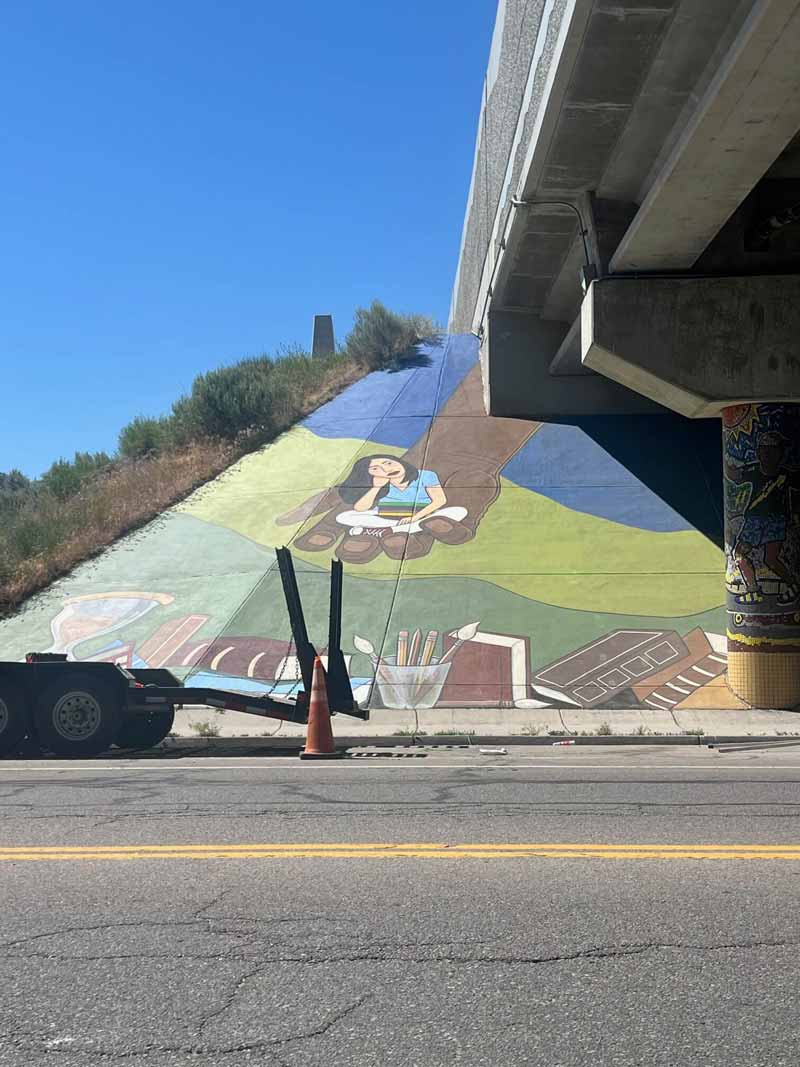
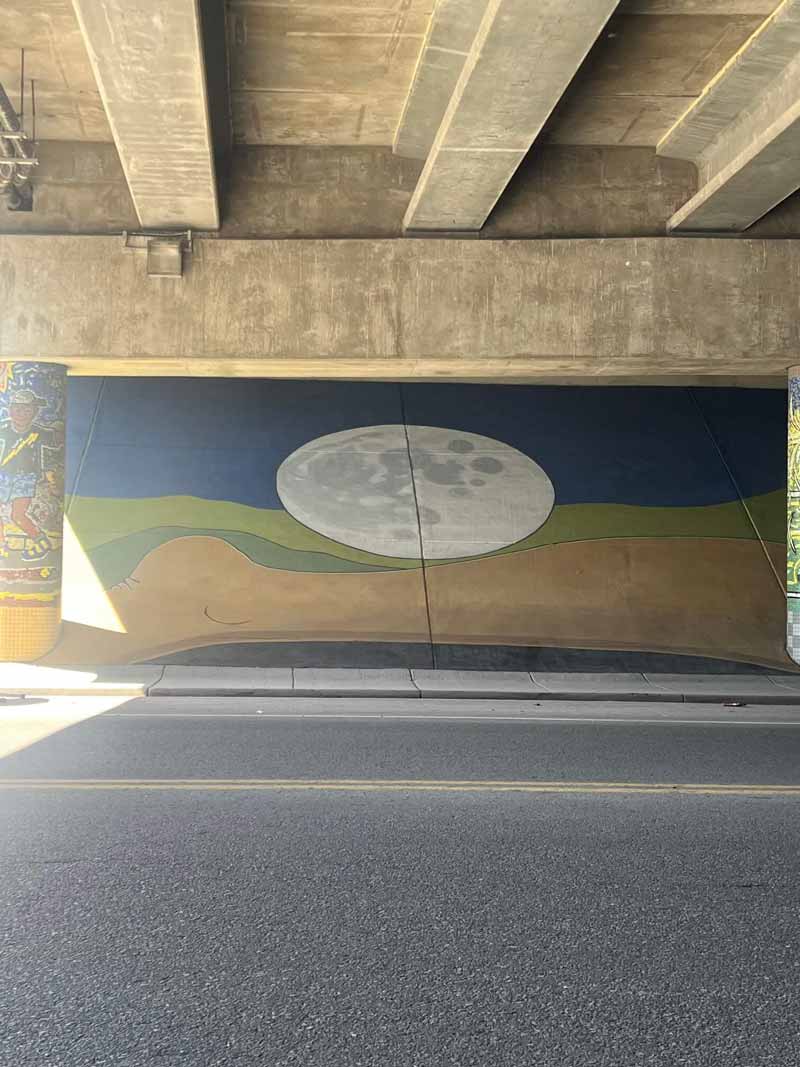
Bridge Over Barriers is a long term art project that began in 2005 by Neighborworks Salt Lake as part of an ongoing neighborhood beautification, community building and revitalization effort of Salt Lake City's west side.
Bridge Over Barriers is much more than a piece of public art — it's a catalyst to bring neighborhoods together, build community, act as a public relations campaign, and reveal the beauty and grandeur of two of Salt Lake’s oldest neighborhoods: Jackson and Guadelupe.
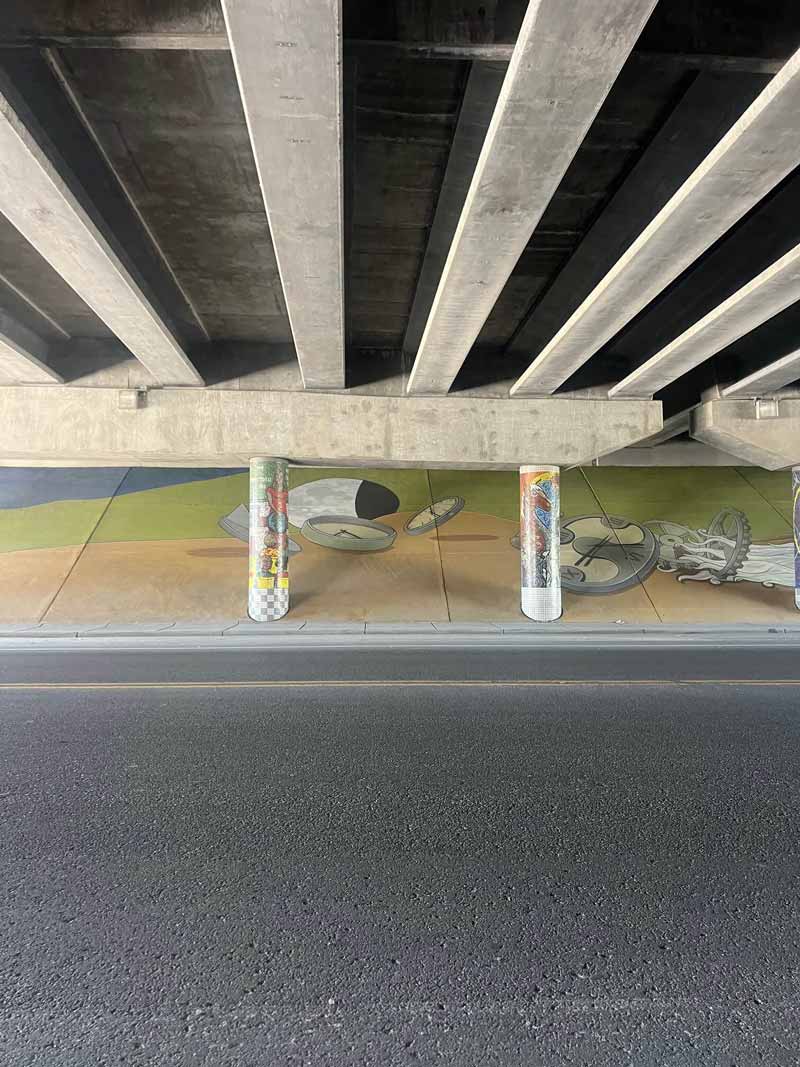
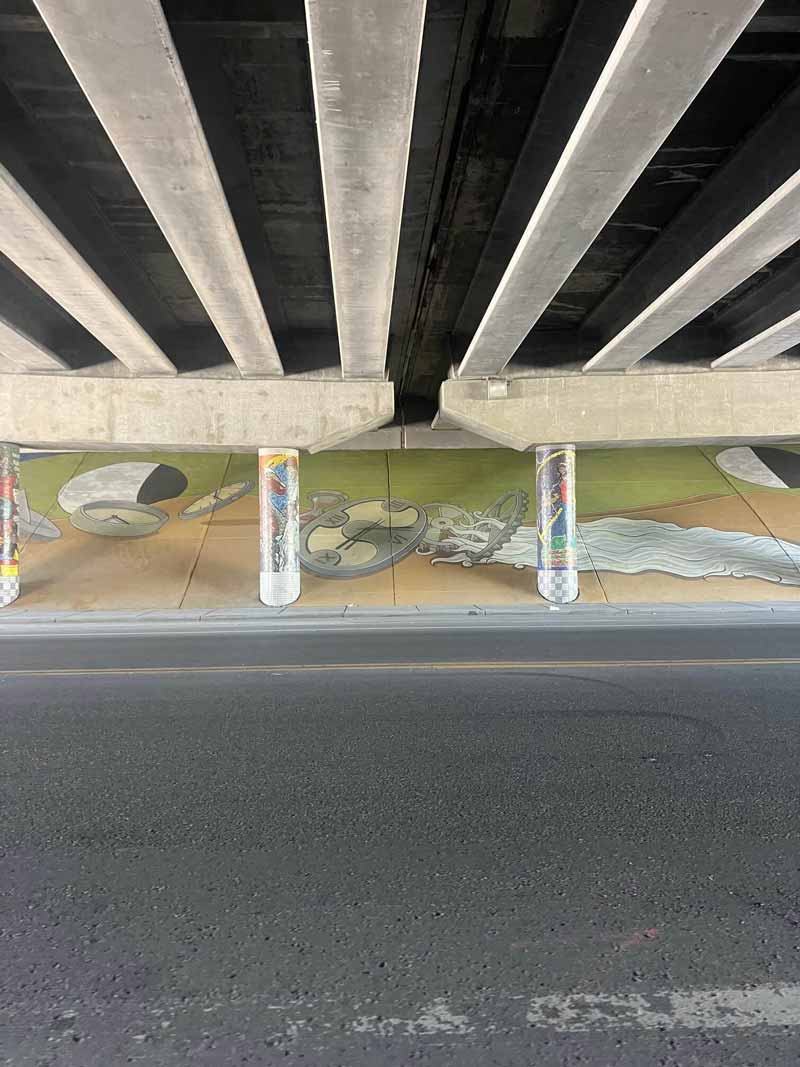
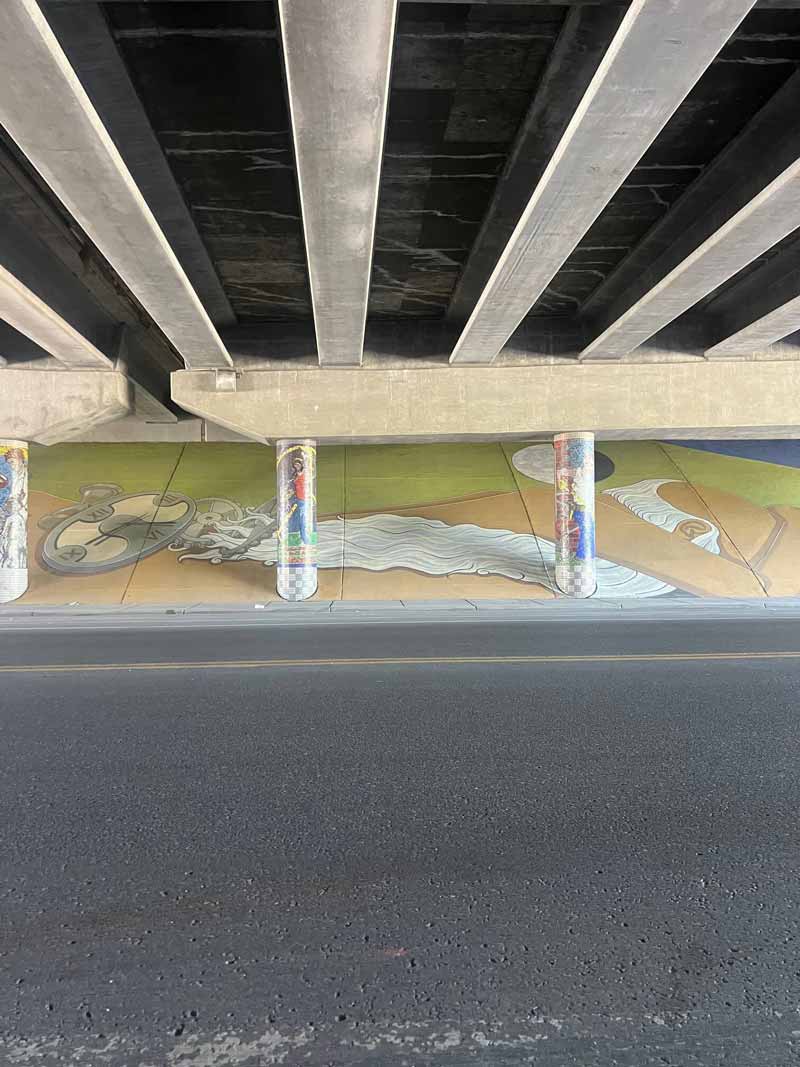
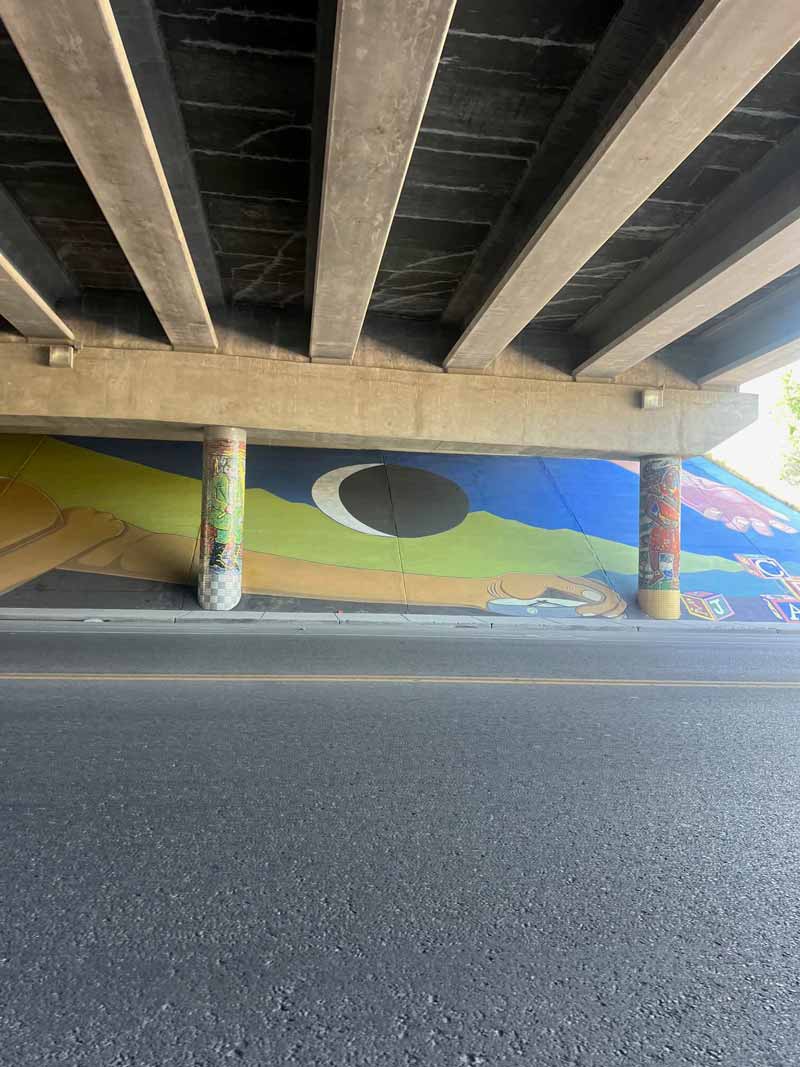
For Phase I, internationally renowned community artist and activist Lily Yeh was brought in to facilitate the transformation of an urban bridge into a work of art. Under Lily's guidance, several prominent community members, artists and educators were trained in her techniques to engage the community at large. A number of workshops occurred at community centers and churches that would garnered the support and participation of various groups. Resultant images were drawn and painted on canvas, then used as a model for the mosaic designs that now cover the 16 columns of the underpass. The mosaic columns, now known as the 16 Pillars of Community, are covered in mosaic imagery that reflects the people, culture and histories of the neighboring areas.
In the style of training the artists received in Phase I, Phase II workshops will be conducted throughout 2011 to engage a wide array of participants. On the remaining two thirds of the 22,000 sq. ft. area, painted murals will represent the neighborhoods and complement the 16 Pillars of Community. The completion of this project will yield the largest public art project in Utah, further enhancing its recognition as a cultural destination point in the west side area.
The production process will cover two large abutments and four buttresses. During production, artists will occupy a neighborhood warehouse and engage the community and youth as they mentor them through the artistic process with hands-on training.
Coming the summer of 2012!